Introduction
Gratitude is a successful emotion that can have a profound have an effect on on our lives, noticeably for those navigating the turbulent waters of habit healing. In techniques like Alcoholics Anonymous (AA) and Narcotics Anonymous (NA), gratitude serves as a cornerstone of the curative activity, serving to participants foster positivity, resilience, and network support. In this newsletter, we shall delve deep into The Role of Gratitude in Alcoholics Anonymous, exploring its magnitude inside the framework of Twelve Step Programs, how it contributes to private boom, and its outcomes on long-term sobriety.
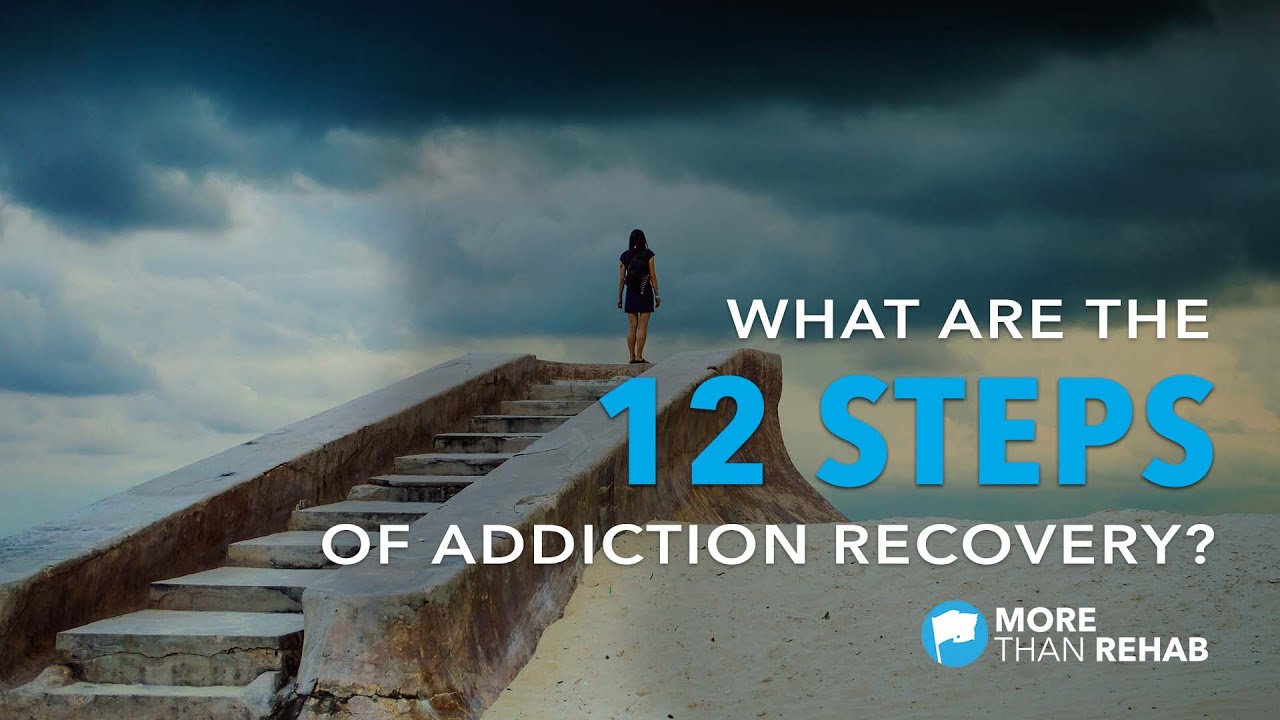
Understanding Gratitude in Recovery
What is Gratitude?
Gratitude is greater than just saying "thank you." It incorporates a profound recognition of the goodness in our lives and an acknowledgment of the assets of that goodness. For these in restoration from substance abuse, training gratitude can shift center of attention from what has been misplaced to what can nevertheless be received.
The Psychological Benefits of Gratitude
Research displays that in general training gratitude can bring about greater psychological healthiness. Individuals file feeling happier, much less depressed, and extra glad with existence when they take time to mirror on what they're thankful for.
How Does Gratitude Fit into 12 Step Recovery?
In Twelve Step Programs like Alcoholics Anonymous, gratitude performs a pivotal role. The foundational steps emphasize acknowledging one's shortcomings while also spotting the assist got from others—be it fellow participants or a larger continual.
The Role of Gratitude in Alcoholics Anonymous
Gratitude is woven into the textile of Alcoholics Anonymous. Members usally proportion their studies for the duration of conferences approximately how cultivating gratitude has modified their outlook on lifestyles and healing.
Acknowledging Support Systems
One key facet of AA is recognizing the value of group give a boost to—friends, kin, and other contributors who be aware of the struggles faced by way of folks in recuperation. Expressing gratitude toward those supporters fosters deeper connections and strengthens relationships.

Building Resilience Through Gratitude
For many recuperating americans, moments of weak point or temptation are inevitable. Those who actively prepare gratitude have a tendency to get better more quickly from setbacks due to the fact they've got built a nice frame of mind that emphasizes hope in preference to melancholy.
Incorporating Gratitude into Daily Life
Daily Practices for Cultivating Gratitude
Gratitude Journaling: Writing down issues one is thankful for day-after-day can function a effectual reminder. Mindfulness Exercises: Taking moments to pause and have an understanding of small joys supports make stronger grateful pondering. Verbal Expressions: Sharing feelings of gratitude with others fosters connection and reinforces successful relationships.Setting Intentions with Gratitude
Setting daily intentions rooted in gratitude can offer direction for one's thoughts and moves at some stage in the day. This practice encourages americans to be proactive instead of reactive.
The Impact of Gratitude on Long-Term Sobriety
Fostering Hope Among Peers
In institution settings like AA meetings, sharing stories related to gratitude can inspire hope among peers. Hearing good fortune thoughts delivers motivation for those nevertheless struggling.
Reducing Relapse Rates Through Positivity
Studies indicate that people https://www.12steprecovery.com/blog/ who recurrently express gratitude are much less possible to relapse in contrast to those who do not engage in such practices.
Real-Life Stories: Gratitude Transforming Lives
Case Study 1: John’s Journey as a result of AA
John's tale exemplifies how training gratitude converted his perspective in the course of recuperation. Initially proof against the notion, he begun writing day-to-day lists of factors he appreciated—from supportive guests to small victories over cravings.
Key Takeaways from John's Experience:
- Daily Reflection: Taking time daily to reflect on positives helped him struggle detrimental thoughts. Community Connection: He came across capability with the aid of shared reviews at some stage in AA conferences where members expressed their very own journeys toward gratitude.
Case Study 2: Sarah’s Transformation with the aid of Narcotics Anonymous
Sarah came across herself struggling with habit and attended Narcotics Anonymous conferences after hitting rock bottom. By embracing a mind-set rooted in thankfulness, she realized her skill for difference—and so did her friends.
Key Takeaways from Sarah’s Experience:
- Empowerment Through Sharing: Sarah learned that sharing her story prompted others to find their possess factors for gratitude. A New Lens on Life: Emphasizing what she was thankful for helped scale down her cravings and fueled her pastime for sobriety.
Challenges in Practicing Gratitude
Overcoming Obstacles to Grateful Thinking
While practicing gratitude gives you a number of reward, it isn’t always user-friendly—enormously amid challenging occasions whilst negativity looms tremendous. Recognizing these challenges facilitates individuals to navigate them extra efficiently.
Strategies to Combat Negative Thoughts
When negativity arises:
- Revisit your checklist: Reflecting on prior gratitudes can aid shift your mindset. Engage with supportive friends: Discussing emotions brazenly with fellow participants can lighten burdens.
Conclusion
The journey as a result of addiction recovery is fraught with challenges; then again, embracing gratitude empowers contributors inside Alcoholics Anonymous and an identical Twelve Step Programs like Narcotics Anonymous. By cultivating an angle of thankfulness—spotting the two exclusive achievements and the make stronger gained from others—persons can amplify their resilience opposed to relapse whereas fostering significant connections within their communities.
Gratitude isn't always simply an emotion; it can be a instrument—a lifeboat amidst turbulent seas—that publications improving alcoholics closer to brighter shorelines jam-packed with hope, motive, and lasting sobriety.
Frequently Asked Questions (FAQs)
How does practising gratitude support for the period of recuperation?- Practicing gratitude shifts concentrate clear of negativity in opposition t appreciation which enhances entire mental well-being and resilience in opposition t relapse.
- Yes! Numerous reports imply that steady expressions of thank you result in more desirable psychological healthiness outcomes such as lowered tension phases among convalescing addicts.
- Absolutely! Many of us in finding that incorporating those practices into common lifestyles fosters positivity despite where they may be on their event through recuperation.
- It’s organic! Start small with the aid of finding out even minor components you respect or seek concept from peers inside of your fortify community about their very own reports with gratitude.
- Regularly—preferably on a daily basis! Consistency builds habits; check out journaling or verbal affirmations both morning formerly establishing your day!
- Community creates duty! Engaging with others encourages sharing studies which inspires collective increase in the direction of useful mindsets headquartered around appreciation.
This in depth exploration highlights how nurturing an angle rooted in thankfulness not purely impacts private transformation however additionally strengthens community bonds integral for enduring sobriety within transformative environments like Alcoholics Anonymous or Narcotics Anonymous.